 Mirela
If there’s anyone who knows localization, it’s the big brands. Sure, they make mistakes, but you’ve got to admit they often know how to create an experience that feels local. The companies that realized they needed to adapt didn’t just translate their products and hope for the best. It takes a lot more to appeal to other markets. If you’re looking for localization examples you can actually learn a thing or two from, check out these brands that nailed it.
AirBnb
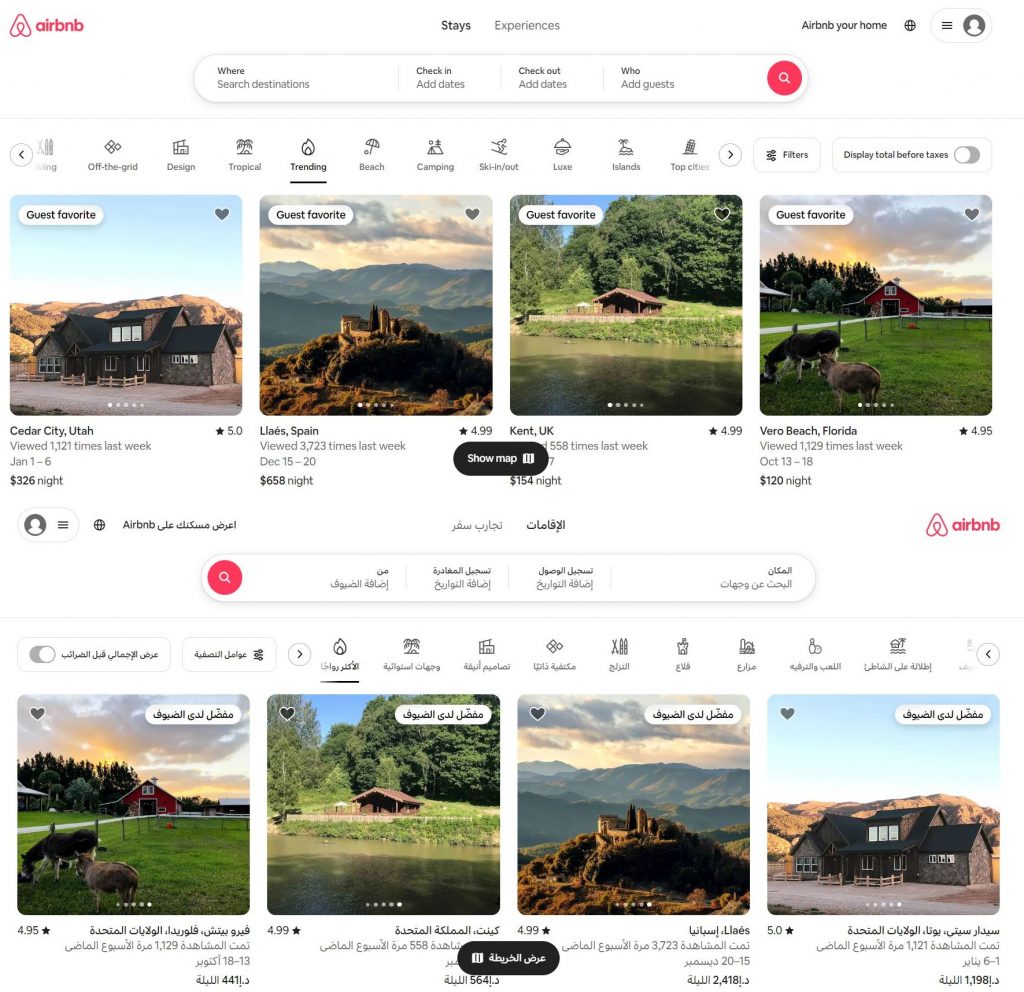
What Airbnb localizes:
- Branding and naming (in specific markets).
- Trust mechanisms (reviews, verification, policies).
- Payment methods.
- Customer support channels.
- Listing presentation.
- Legal and regulatory compliance.
Here’s a fun fact: the idea behind Airbnb started back to 2007 in San Francisco, when Brian Chesky and Joe Gebbia’s struggled to cover their rent. The duo decided to host design conference visitors on three air mattresses in their living room, effectively launching the company.
Fast-forward to today, and the company boasts an inventory of five million active hosts and a cumulative total of more than 2.5 billion guest stays. Users book boldly because the platform erases the “foreigner” barrier. Beyond the 60+ languages on the site, currencies flip on the fly, reviews show bilingual stars, and policies nod to laws like EU data rules.
Airbnb says their strategic priority is to enable smooth, fast, and reliable bookings… all while accelerating their international expansion. The company has a localized approach when it comes to their growth strategy, with the goal of securing bookings from first-time guests and expanding awareness.
Netflix

What Netflix localizes:
- Original content production by region.
- Subtitles and dubbing.
- Artwork and thumbnails.
- Trailers and promotional materials.
- Recommendation algorithms.
- UI language and tone.
Netflix is an American media company, but they didn’t become dominant worldwide by exporting the content they had at home. They flipped the model and chose to adapt to the world rather than expecting the world to adapt to them.
They invest heavily in local productions like Money Heist (Spain) or Squid Game (South Korea). And guess what—those bets paid off globally, not just locally! That’s the interesting part: localization can actually scale beyond its original market.
Another big move is how Netflix personalizes visuals. The same show can look completely different depending on where you are. They go the extra mile and actually localize things like artwork, thumbnails, and trailers. It’s subtle, but it changes what people click on. Even their recommendation system leans into local taste.
McDonald’s
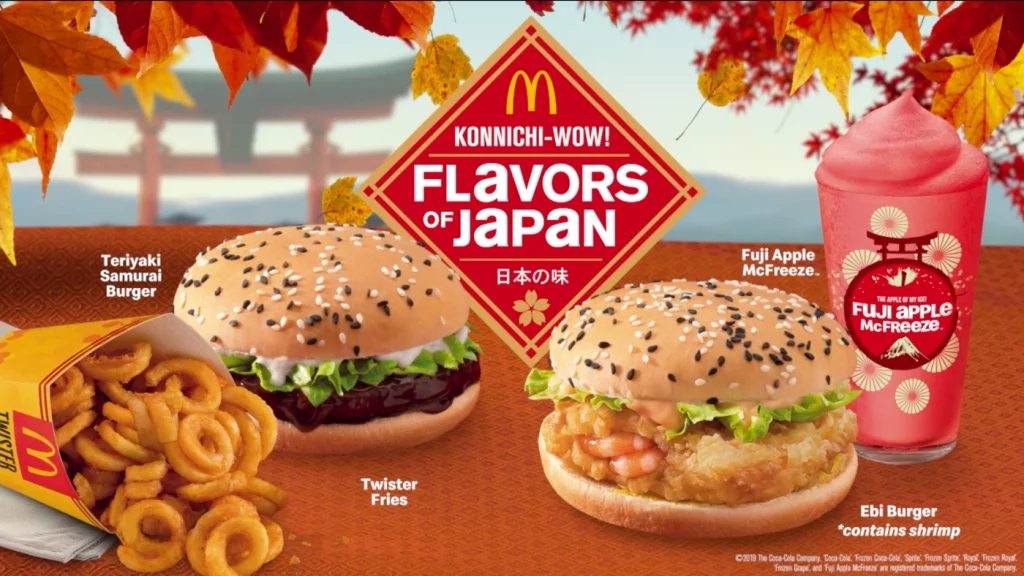
What McDonald’s localizes:
- Menu items and ingredients.
- Portion sizes.
- Pricing strategy.
- Store layout and experience.
- Marketing campaigns and tone.
- Cultural and religious considerations.
McDonald’s is yet another localization example we keep giving. They’re the poster children for “global brand, local execution.” You recognize it instantly, but somehow the experience changes depending on where you are.
The company knows that food is deeply cultural, so they don’t force a universal menu. In India, they removed beef entirely and offered other options instead. In Japan, they introduced rice burgers and seasonal flavors. France goes gourmet with camembert burgers.
McDonald’s serve 69 million daily in 120 countries because local teams test flavors fast and kill flops. They also adjust how they present themselves. In some countries, they choose to advertise themselves as a typical fast-food restaurant where speed and convenience rule. In others, it positions itself as a family-friendly dine-in experience.
Coca-Cola
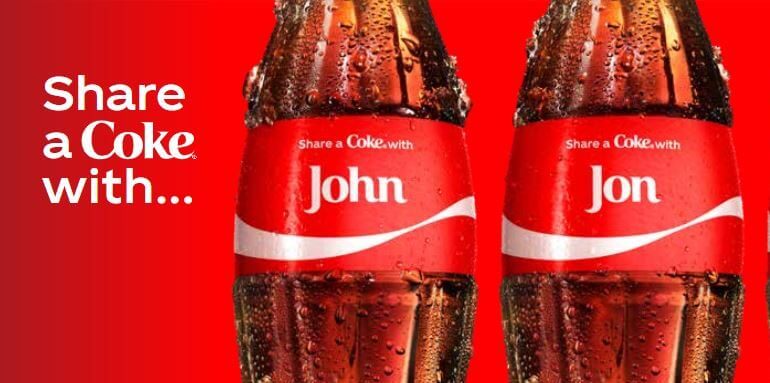
What Coca-Cola localizes:
- Advertising campaigns.
- Messaging tone and storytelling.
- Product packaging (names, language).
- Cultural themes.
- Media channels used.
- Influencer and celebrity partnerships.
Coca-Cola’s localization strategy is often termed glocalization, and combines global brand consistency with “Think Global, Act Local” principles. They customize flavors, adapt marketing to local culture, use local actors/music, and tailor their packaging to match the preferences of the regional consumers.
In 2011, Coca-Cola turned a basic soda into a cultural chameleon with their iconic “Share a Coke.” Quite a genius move to remove your brand’s logo on the soda bottles and replace it with names or nicknames. Names on bottles varied by country to reflect local naming trends. The emotional core stays the same, but the storytelling changes.
They even they launched vending machines for custom prints, apps to design your own, and social hashtags that exploded virally. The company really managed to create a person experience, and that’s what localization is all about.
Spotify
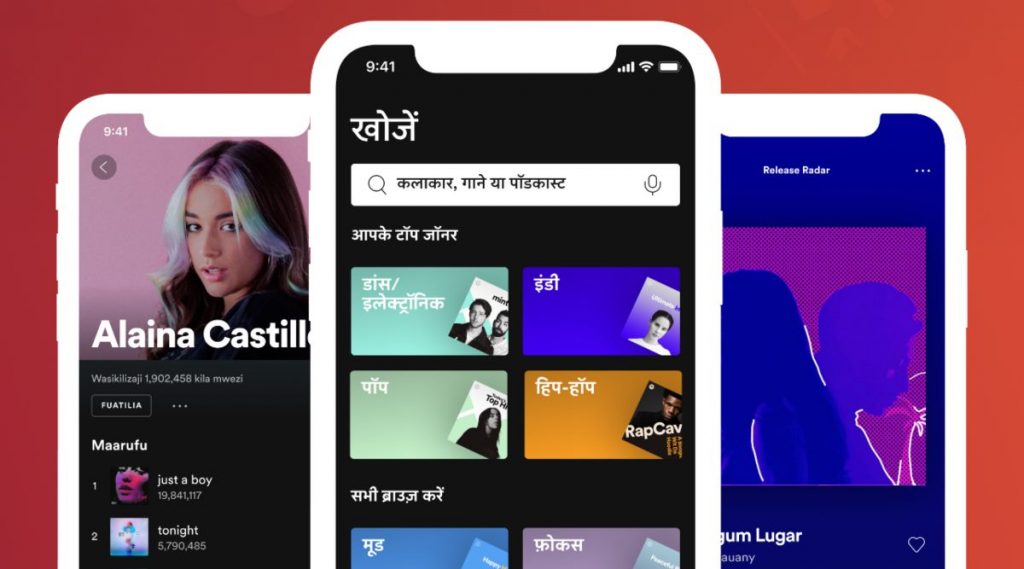
What Spotify localizes:
- Playlists and music curation.
- Artist promotion by region.
- Cultural and seasonal content.
- Notifications and messaging.
- UI language.
- Podcast and audio content.
Spotify pulses with their users’ scene: samba, funk, J-pop, and all the other worldwide genres you can think of. The company rolls out new languages yearly, but they don’t rely on translation alone. They localize discovery, which is way more impactful.
They align content with cultural moments; holidays, festivals, and seasonal behavior all shape what users see. It’s dynamic, not static. What’s interesting is that they also adjust their subscription fees based on the local purchasing power.
IKEA

What IKEA localizes:
- Product design and dimensions.
- Catalogs and showrooms.
- Pricing strategy.
- Marketing visuals.
- Assembly instructions (language and clarity).
- Lifestyle positioning.
IKEA has over 500 stores across over 60 markets worldwide. Their localization strategy is rather standardization with smart tweaks. IKEA sticks to basics like flat-pack, affordable, DIY furniture everywhere, but they do pay attention to the local trends.
When they entered China, IKEA researched communal shopping, so stores would welcome family picnics with dumplings, not meatballs. They sold smaller furniture so they’d fit the apartments, and partnered with local assemblers since DIY is not that popular there.
Nonetheless, whether you’re in Europe or Asia, you’re still buying a bookcase named BILLY. The “Swedish-ness” of the brand stays intact. They don’t localize their products’ names. In certain cases, IKEA may slightly adjust spelling or phrasing to avoid embarrassment in local languages, as seen in Thailand.
Uber
What Uber localizes:
- Payment methods.
- Transportation options.
- Pricing models.
- Safety features.
- Driver onboarding.
- App interface language.
Uber now operates in over 70 markets and more than 10,000 cities worldwide, though most of its market shares is in the United States. They localize in about 60 languages, but translation is not their biggest concern when it comes to localization. For companies like Uber, what’s challenging is navigating the regulatory environment across different markets.
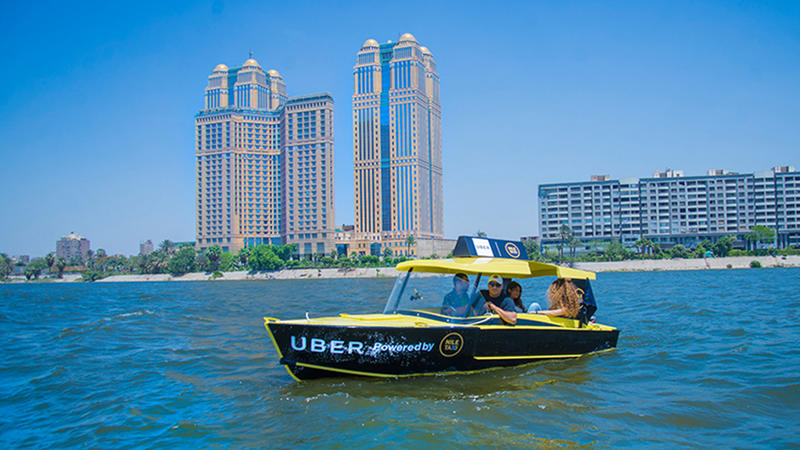
Uber adapts its entire business model, and that means everything from payment methods to vehicle types. In India, you’ll see UberAuto (these are actually rickshaws). In Thailand, they have UberMoto (motorbikes). And to top it all off, in Egypt, they even launched UberBOAT.
When it comes to translation, Uber reports that it relies greatly on automation and machine translation (they automated 85% of content translation), LLMs for smart routing, and custom quality scores that slash costs significantly. The app hits RTL for Arabic, color schemes for cultural prefs, and layouts that fit local UX norms.
Starbucks

What Starbucks localizes:
- Menu items.
- Seasonal and limited-time offerings by region.
- Store design and architecture
- In-store experience.
- Local partnerships.
- Payment systems and digital integrations
- Cultural elements.
Hate it (if you’re a specialty coffee nerd) or love it, but you have to admit that Starbucks does know how to blend their premium coffee vibe with local twists. The company started as a small coffee shop in Seattle, and now, decades later, have shops across more than 80 countries, with Asia driving massive growth.
Each country has its own coffee rituals, and Starbucks knows that so they localized their menu. For China, they swaped pumpkin spice for mooncake lattes, and in India, they added masala chai. Japanese spots have matcha bars and cherry blossom mugs, and France gets buttery pastries, not muffins.
Even the design of the coffee shops has been tweaked in some markets. Stores are designed to reflect local architecture and culture. A good example is Japan, where for some locations, they used traditional materials and design concepts inspired by the local beliefs and aesthetics.
Nintendo
What Nintendo localizes:
- Dialogue and scripts.
- Humor and cultural references.
- Character names and traits.
- Visual elements and symbols.
- Marketing materials.
- Packaging and manuals.
Nintendo is known as one of the best game localizers out there. They’ve been localizing games for decades and if they’ve learned one thing, that’s that direct translation often fails. Nintendo typically releases games first in Japan, then ports them to Western markets following a lengthy, challenging, and expensive localization process.
The company adapts humor, cultural references, and even character personalities. Sometimes, entire dialogue sections are rewritten to make sense in another culture. Believe it or not, Nintendo actually brings localization experts to Japan every couple of months to review the work and propose content tweaks as a way of avoiding major alterations in the final localized versions.
Amazon
What Amazon localizes:
- Payment options.
- Delivery and logistics.
- Product catalog.
- Seller ecosystem.
- Customer support.
- Pricing and promotions.
Amazon operates in more than 20 countries across five continents, and a big part of their success is due to hyper-localizing everything from listings to payments. A lot of brands localize the front-end and stop there, but Amazon goes several layers deeper. They know that if your backend can’t support local behavior, your localized UI won’t save you.
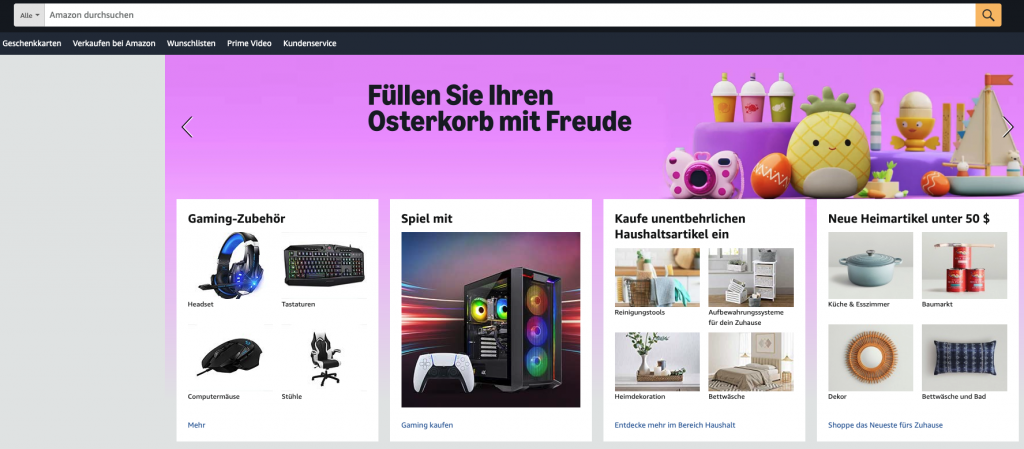
At the surface level, yes, the website looks localized (language, currency, and layout all adapt), but that’s what really sets Amazon apart is how it adjusts to local buying behavior. They also adjust their marketplace structure depending on local sellers and regulations. It’s a full ecosystem approach, for which they lean heavily on data analytics, competitive spying, and AI personalization.
TL;DR: What you can learn from these localization examples
OK, so if there’s something you should take from all these fine examples, it’s this:
- Think beyond translation. Don’t stick to text! Every company here adapted product, marketing, and operations. That’s the real standard.
- Build for flexibility early. Internationalization, always first! You don’t want to rebuild your product every time you enter a new market, so make sure your systems allow variation without breaking.
- Respect culture. Don’t ignore the cultural norms! Respect every difference if you want to succeed.
- Adapt the experience. Visuals, flows, recommendations, and interactions matter just as much as language.
- Localize trust and behavior. Study the behavior of the users, and you’ll find that the visuals, recommendations, and interaction matter just as much as the language.
- Use local insights. Don’t guess, don’t assume you already know. Base your decisions on data, so test, observe, and adjust.
- Be willing to change your product. It’s hard, we know, but you may have to change a few things to win over new markets.